April 8, 2026
March 24, 2026
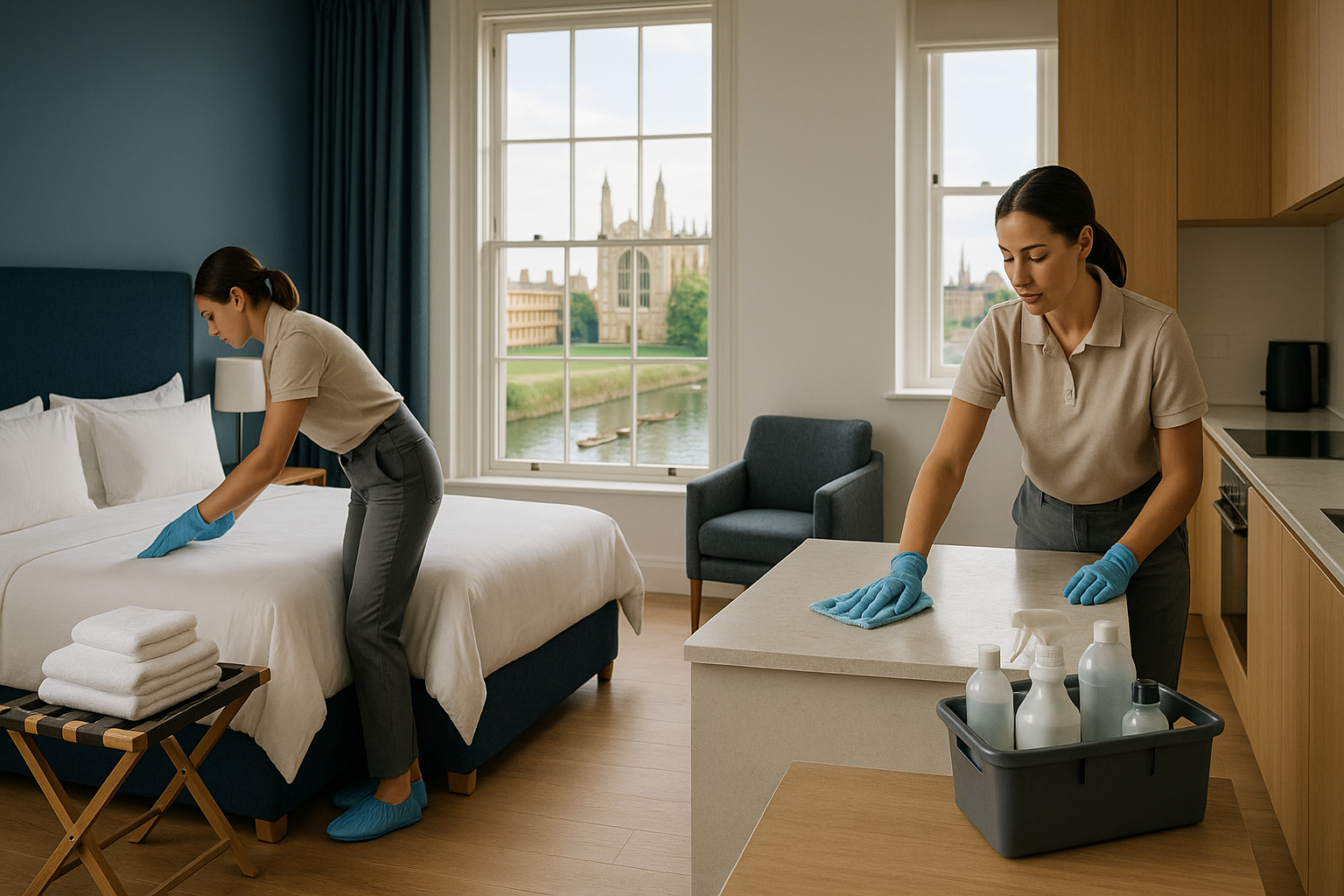
Guests rarely remember a perfectly ironed pillowcase. They do remember a sticky worktop, a musty towel, or a long hair on the bathroom floor. Cleanliness is the one part of hosting that leaves no room for almost. In a city like Cambridge, where bookings spike around graduations, conferences, and summer tourism, reliable short-term rental cleaning is the difference between a five-star review and a refund.
This guide is for hosts who want dependable, consistent, hotel-level turnovers without being glued to their phones on check-out days. We will cover what to expect from Airbnb cleaners Cambridge, how to choose the right partner, how to set up a smooth workflow, and what to watch for in a historic, high-demand city with tight streets, limited parking, and guests who often arrive by train carrying high expectations.
Cambridge attracts scholars, families, business travelers, and tourists year-round. That steady demand encourages short stays and back-to-back bookings, which compresses your turnover windows. A spotless, predictable clean becomes essential, not only for guest comfort but also for operational stability.
Cleanliness is one of the most visible aspects of your listing. It shows up in the first five minutes of a guest’s arrival, and it shows up again in your public reviews. Positive reviews build search ranking and conversion, which underpins your entire hosting strategy. In a market where nearly every listing features a charming terrace or a view of a college spire, immaculate presentation is how you compete.
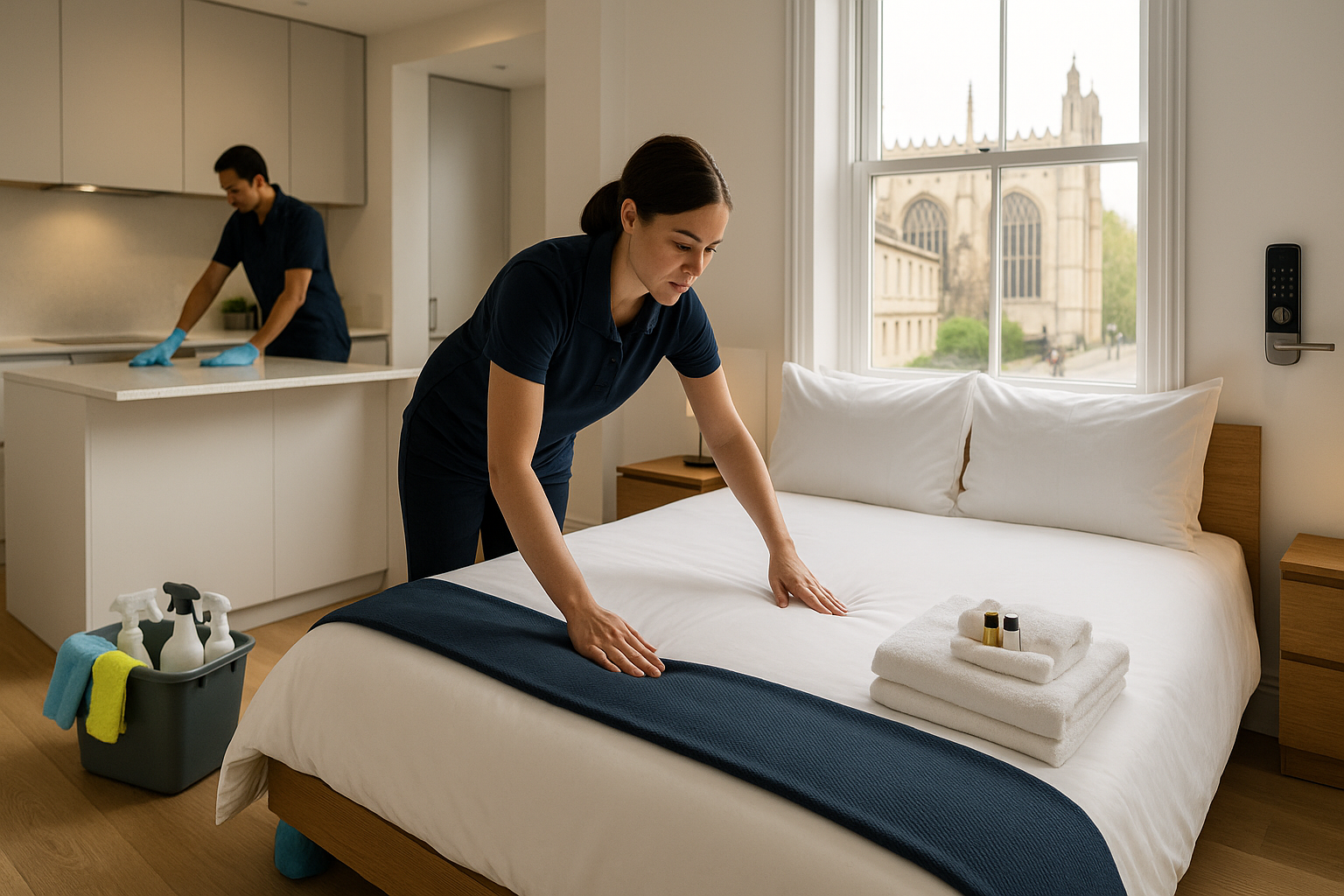
Short-term rental cleaning goes beyond a standard domestic clean. The goal is to reset the property for the next guest and remove any sign of the previous stay. A professional Airbnb clean typically covers three areas at once: sanitation, staging, and reporting.
Sanitation is the foundation. Bathrooms and kitchens need full disinfection. High-touch points need special attention. In Cambridge, hard water leaves limescale faster than you expect, so descaling taps and shower screens should be routine. Rubbish and recycling need to be removed and placed out in line with Cambridge City Council schedules, not left to accumulate.
Staging is what makes a space feel welcoming and consistent. That includes crisply made beds, fluffed pillows, neatly folded towels, aligned furniture, and well-placed amenities. Staging also includes lighting and ventilation. Airing rooms, opening curtains, and switching on a warm lamp can change how a guest perceives cleanliness, even when the deep work is already complete.
Reporting closes the loop. A good cleaner spots maintenance issues, missing items, or damage. They photograph set-ups before leaving, note supply levels, and flag anything that needs attention, from a cracked mug to a slow-draining shower.
If you are building your own checklist, think in room-by-room passes instead of a long generic list. For example, the kitchen should end with the hob polished, the oven trays checked, the fridge wiped and deodorised, bins emptied and relined, and the dishwasher filter cleared. Bedrooms should end with full linen changes, dust-free skirting boards, spotless mirrors, and empty wardrobes. Bathrooms need streak-free glass, descaled fittings, scrubbed grout, and replenished toiletries. A final walk-through, with lights on and blinds adjusted, catches missed details.
Local constraints influence how your cleaner works. Parking can be difficult on narrow streets, so expect some teams to arrive by bike with compact kits. Access needs to be foolproof, since traffic or cycle detours can shift arrival times. A reliable key safe or smart lock prevents delays and last-minute calls.
Historic homes may need gentler products on old timber, careful handling of sash windows, and extra attention to condensation and mould in colder months. Many terraced houses have limited storage, so your supply strategy has to fit a small lockable cupboard. Limescale from hard water builds fast. Routine descaling of kettles, shower heads, and taps saves you from low-level complaints.
Seasonal demand in Cambridge is real. May Balls, graduations, rowing events, and the Folk Festival can compress your calendar. When cleaners are fully booked, the hosts with clear instructions and smooth communication get priority. Reliability is a two-way street.
Experience with short-term rentals matters more than years of general cleaning. Airbnb turnovers are a rhythm, not just a task list. When interviewing providers, look for these signals of a professional operation.
Ask for evidence of STR experience. Do they have host references or case studies? Can they describe what changes during a back-to-back compared with a standard clean? The best teams can.
Check their checklist and photos. Ask to see their standard turnover checklist and sample post-clean photos. You are looking for consistent staging, attention to limescale, neat linen, and an eye for small details like fingerprints on light switches.
Discuss availability and response times. Cambridge hosts often need weekend and evening support. Confirm whether they work seven days, and how they handle urgent call-outs for last-minute bookings or lockbox issues.
Confirm insurance and safety. Public liability insurance protects you and your cleaner. If they handle linens, ask how they transport and store them to keep sets clean and dry. If they use chemical products, ask how they ensure safe use inside older properties with delicate finishes.
Clarify laundry logistics. Will they wash on-site, take linens for service-wash, or partner with a laundry provider? Understand turnaround times, drying capacity, and how they prevent mix-ups between properties.
Ask about reporting and communication. You need a clear path for damage reports, inventory tracking, and photographic proof. Many teams use WhatsApp for quick updates and a shared folder for checklists and photos.
Probe supply management. Decide whether the cleaner provides consumables or you do. If they stock items, how do they bill and track usage? If you stock, how do they request replenishment before items run out?
Look for local know-how. Knowledge of bin days, cycling routes, parking zones, and the quirks of older Cambridge houses can save you time. It also signals that the team is established and not learning on your listing.
Airbnb cleaning fees in Cambridge vary by property size, laundry complexity, and how fast the turnover must be done. Many providers charge a fixed fee per clean rather than hourly, since hosts care about results and timing. As a general guide:
A studio or small one-bedroom flat near the station may run between £65 and £95 for a standard turnover, plus a separate fee for laundry if taken off-site.
A two-bedroom terrace in Romsey or Petersfield often ranges from £90 to £130, with additional charges for extra linen sets, cot bedding, or balcony cleaning.
A larger three-bedroom family home can range from £120 to £180, especially if there is a garden to tidy or multiple bathrooms to descale.
Laundry pricing depends on volume and method. Service-wash is convenient but adds cost. Expect a per-set linen fee that covers sheets, pillowcases, duvet covers, towels, tea towels, and bathmats. On-site washing saves money but requires adequate drying time, which is tight during back-to-backs.
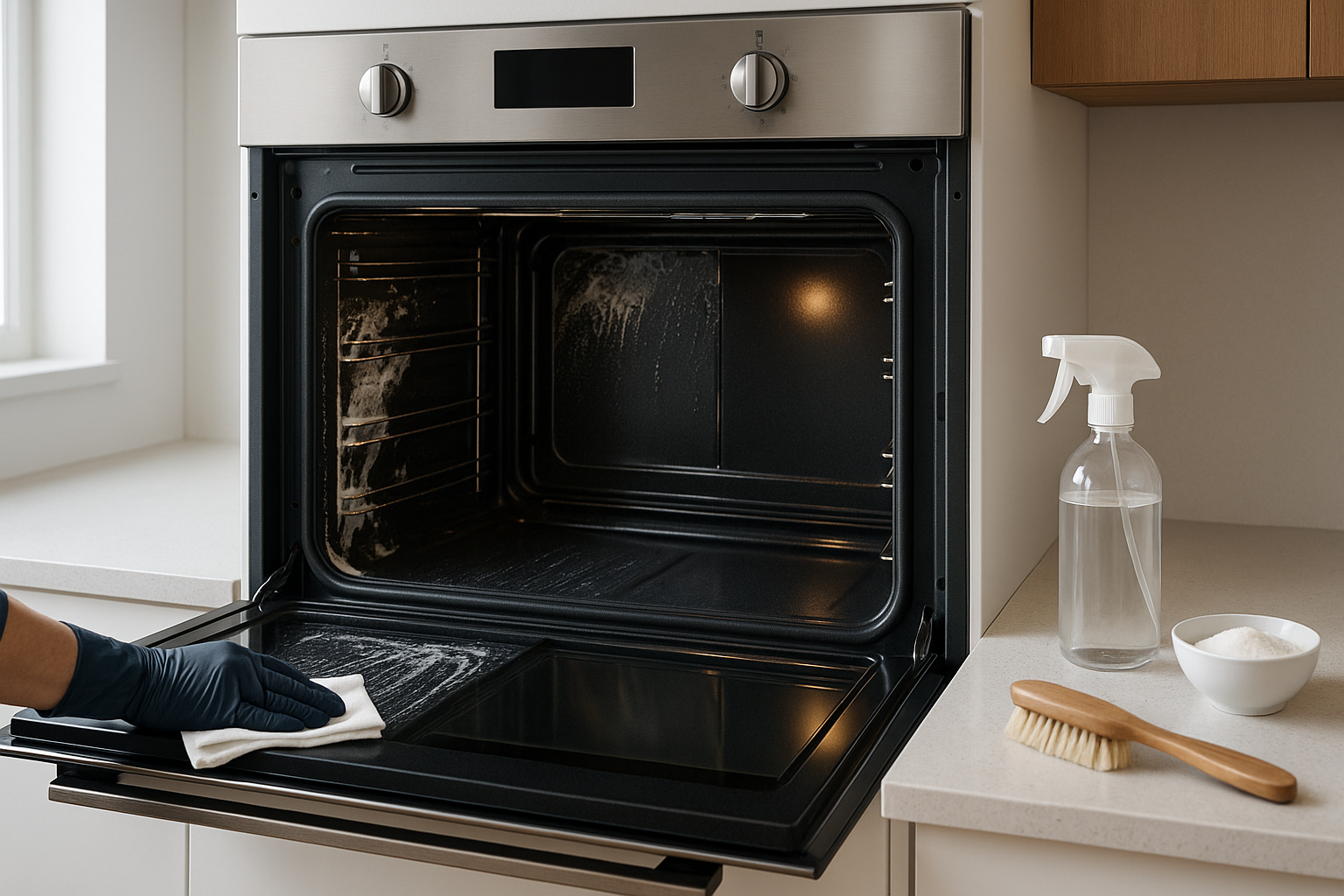
Add-ons may include oven deep cleans, fridge deep cleans, interior window cleaning, and post-renovation resets. Some teams charge higher fees for same-day emergency call-outs or check-ins beyond typical hours. If the provider is VAT registered, make sure you understand whether prices are inclusive.
The most telling pricing indicator is transparency. A professional team will outline what is included, what is not, and how circumstances like excessive mess or damage are handled.
The best cleaning partnership is set up long before the first guest arrives. Start by creating a property profile and a visual playbook. Photographs of every room, staged exactly how you want them, remove guesswork. Include notes on preferred duvet fold, cushion placement, which lamp to leave on, and how to ventilate the bathroom to prevent condensation.
Next, align calendars. Connect your booking system to your cleaner’s schedule using shared calendars or a tool built for turnovers. If you use a property management system, give your cleaner access to reservation details without sharing guest contact info. Automate clean notifications the moment a booking closes or changes.
Outline access and security. A coded key safe, spare keys, or a smart lock with rotating codes prevents lockouts. For flats in shared buildings, include instructions for buzzers, lifts, and where to store bins without blocking communal areas.
Stock for speed. Keep a locked supply cupboard with cleaning products, spare light bulbs, long-life batteries, extra sets of linens and towels, bin liners, and a small toolkit. Label shelves clearly. In a tight space, use lidded boxes and a vertical organizer to separate linen by size.
Create a damage and lost-property policy. Decide how cleaners should document breakages, where to store found items, and who contacts the guest. If you collect a security deposit through your platform, a consistent reporting process strengthens any claim you might need to make.
Laundry is where turnover timelines often break. Cambridge humidity can slow drying, and many flats do not have tumble dryers. If you wash on-site, you need par levels high enough to cover delays. A common standard is at least three full sets of linens and towels per bed. One set on the bed, one in reserve, and one in wash or at laundry.
Service-wash from a local launderette can be efficient for busy periods. Schedule pickups and drop-offs around your calendar, and label sets by property. Make sure finishes are guest-ready. That means fully dry, neatly folded, and free of creases. Compress bags help protect clean sets from damp in small storage spaces.
For check-out at 11 am and check-in at 3 pm, aim for a two-person team on larger properties. One person can run laundry and the kitchen while the other handles bathrooms and bedrooms. Stagger tasks to allow drying time. If guests request early check-in, promise only when the team confirms it. A reputation for punctual, accurate check-ins is worth more than an occasional early arrival.
Trust is not blind. Build light-touch checks that respect your cleaner’s time and protect your standards. Photo confirmation of each room, captured from the same angles every time, creates a visual record. Keep a master album for reference and a dated folder for each clean.
Review guest feedback consistently. Track your cleanliness sub-score and read comments carefully. Many surface-level complaints hint at deeper patterns. Streaky shower glass suggests rushed descaling. Dust on skirting boards suggests a need for periodic deep cleans. Smells point to ventilation and bin management. Share patterns with your cleaner in a constructive way, and adjust the checklist together.
Schedule periodic deep cleans. Quarterly or seasonal deep cleans catch grout, oven interiors, extractor fans, under-bed dust, and radiator fins. They also protect appliances and finishes from premature wear, which saves money long term.
A summer Saturday near the river. Checkout is 10 am, the next guest arrives on the 15:14 from King’s Cross. The cleaner accesses the key safe by 10:05. Sheets go straight to the wash. While the washer runs, the kitchen is reset, bins are taken to the correct collection point, and limescale is removed from the shower glass. At 11:20, the first linen load moves to drying and the second load starts. By 12:30, staging begins. Fresh towels are fanned on the bed, the welcome book is open, windows are cracked for a final air, and a warm lamp is switched on. Photos are taken and sent by 13:45 with a note about a loose toilet seat. You message the guest with an exact check-in time. No drama, no rush at 15:00.
A midwinter two-bedroom in Petersfield. The cleaner arrives on a bicycle with panniers, no parking stress. They prop open the bathroom door to reduce condensation while working in the living room. A slow-draining sink is reported before it becomes a complaint. Radiators are dusted, shower head descaled, and the kettle is treated with white vinegar to beat limescale. The hallway runner gets a deep vacuum because wet boots brought in grit. The result is a home that feels dry and fresh on a damp day, which guests often mention in glowing reviews.
In Cambridge’s climate, limescale and condensation are your repeating enemies. Set a schedule that treats them like clockwork. Every one to three months, book time for:
Tie these tasks to natural lulls in your calendar, such as just after graduation season or during exam terms when tourism dips. That rhythm lowers the risk of complaints during peak times and spreads costs more evenly.
The fastest way to kill a cleanliness score is to manage by assumption. Assuming your cleaner knows how you want the living room staged. Assuming a single set of linens will dry in time. Assuming a guest will not notice a dusty lampshade. Replace assumptions with documentation and redundancy. That means a visual staging guide, par-level linens, and a simple rule that nothing is left to chance when the calendar is tight.
Another common mistake is treating cleaning fees as a revenue center rather than a cost of service. Guests notice when the fee is high and the clean is average. Set a fair fee that pays for a professional team, then deliver a professional result. Your reviews will reflect that balance.
Finally, do not ask your cleaner to guess at maintenance. Give them explicit permission to tighten a loose screw, replace a bulb, or text you the moment they see something bigger. They are your eyes between stays. Respect their time and they will save yours.
Key safes beat key handoffs in a city where traffic can snarl and trains can be delayed. Choose a weatherproof model and mount it in a discreet, well-lit spot. Rotate codes between stays, and keep a backup code off-platform for emergencies.
For waste, match cleaning schedules with bin days. Recycling rules can change, and fines for contamination are real. Post a simple, laminated card in the kitchen for guests, and keep spare bin liners in a predictable place. If a guest leaves on a non-collection day, the cleaner should return the bins to their place to keep pavements clear.
If your property is in a residents’ parking zone, brief cleaners on where to lock a bike or where to safely unload if using a car. It avoids friction with neighbors and protects your relationship with the building.
The best Airbnb cleaners in Cambridge will meet you at your standard. Your job is to make that standard explicit. Build a visual guide, write a clear checklist, decide your laundry plan, and install reliable access. Then interview cleaning teams with that clarity in hand. Ask about their experience with back-to-backs, how they handle emergencies, and how they document their work.
Choose the partner who communicates clearly, shows consistent results, and understands the realities of working across Cambridge’s streets and seasons. Pay for reliability, not just a one-off sparkle. The return shows up in guest satisfaction, fewer headaches, and a calendar that fills itself.
A spotless stay is not an accident. It is a system. Put that system in place with the right team, and your next review will write itself.