April 8, 2026
March 24, 2026
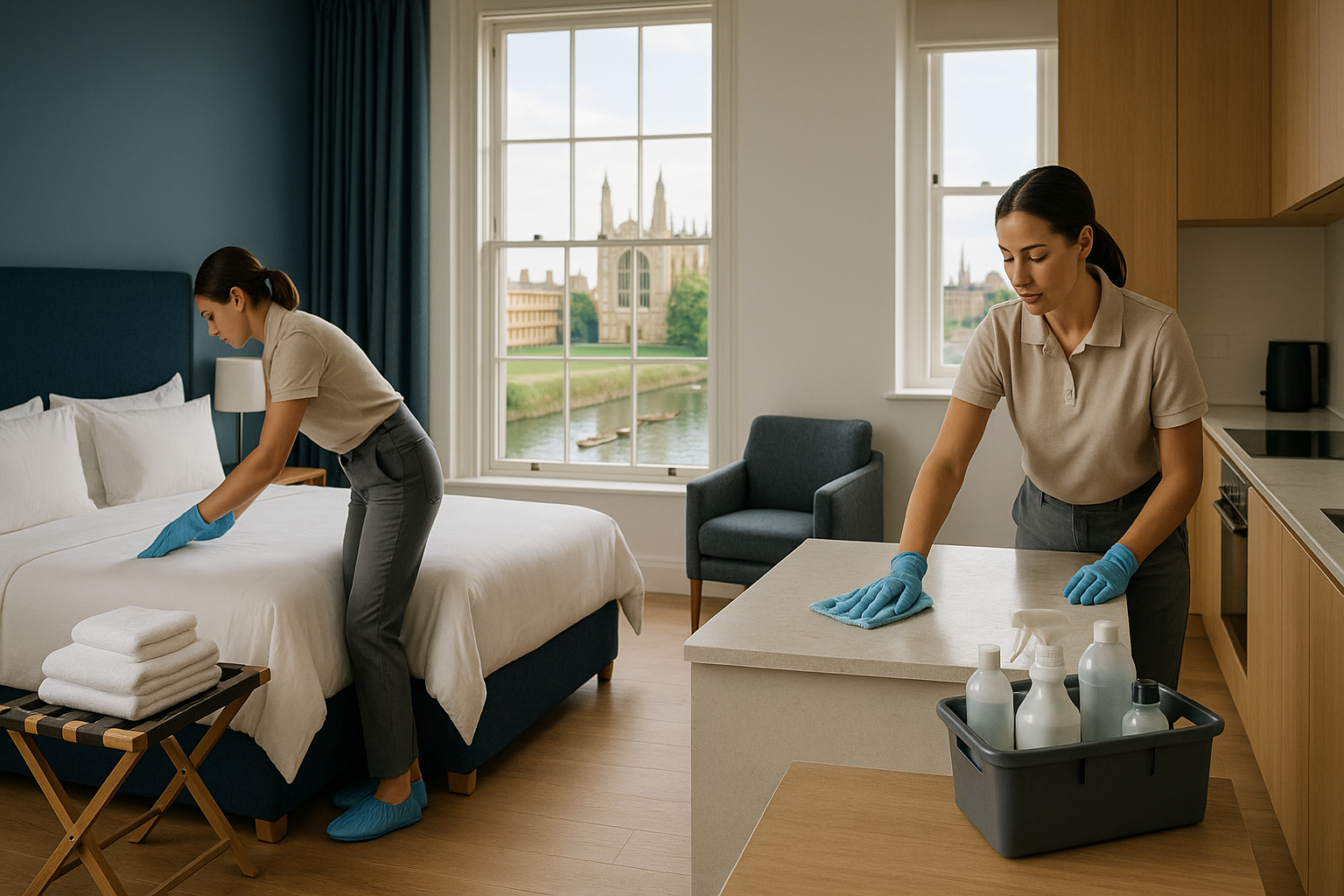
Airbnb guests make up their minds fast. If the first thing they see is a streaky hob, a dusty skirting board, or a bin that smells faintly of last night’s takeaway, your 5-star review just slipped to a 3. In a city as compact and competitive as Cambridge, reliable turnover and periodic deep cleans are not a nice-to-have, they are the backbone of a profitable listing.
This guide looks at Airbnb cleaning in Cambridge from a host’s point of view. What reliable turnover really involves, what deep cleaning should cover, how to handle laundry, and which local quirks matter in this city of period homes, fast-moving guests, and hard water. If you are searching for airbnb cleaning cambridge, you are likely weighing services, standards, and costs. The details below will help you raise your cleaning game and choose the right partner.
Turnover cleaning is the work done between check-out and check-in to reset your place to a guest-ready standard. In Cambridge, that often means a same-day window of two to five hours, plus laundry logistics and precise staging.
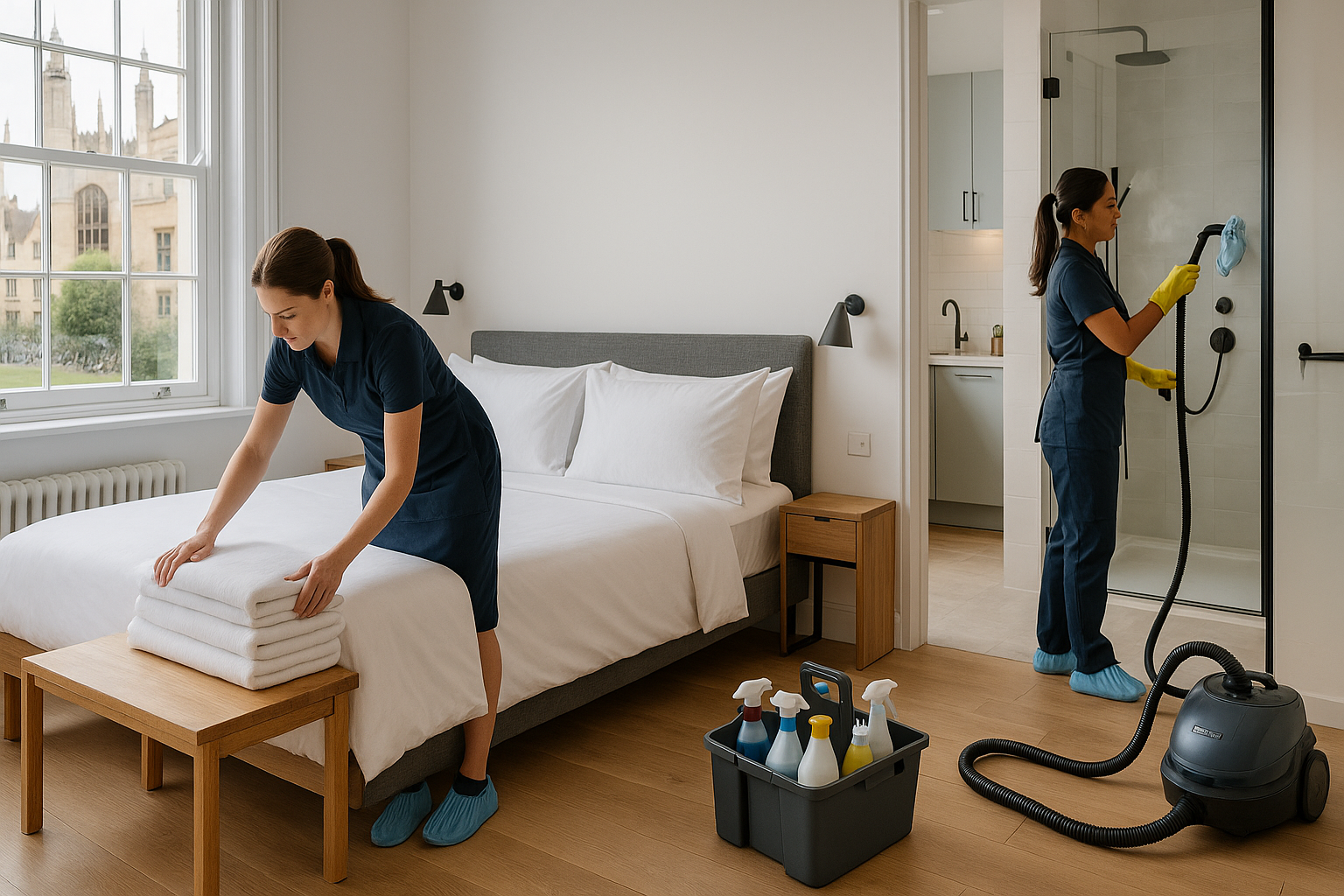
A reliable turnover is not just a quick tidy. It is a repeatable system with five parts. First comes a walkthrough to spot damage, lost items, or maintenance issues. Then a full clean of bathrooms and kitchen, followed by dusting and floors. Laundry and linen changes come next. Finally, a reset and stage so every item is where your photos show it.
A strong Cambridge-specific turnover also handles small but critical details. Hard water in the area produces limescale on taps and shower glass, so descaling is not optional. Narrow terraces and flats with resident-only parking can slow access, so a cleaner who knows the streets and brings the right kit up front saves time. Waste sorting must follow local guidelines, especially in flats with shared bin stores that can fill fast on peak check-out mornings.
Smooth turnovers run on predictable timing. For a one-bed flat near the station, a thorough reset with off-site laundry often takes two to three hours. A two-bed terrace near Jesus Green, especially with a garden, might take three to four hours. Add more time after a long stay or if there is a cooking-heavy booking. Padding the schedule around Cambridge’s traffic pinch points helps too, since access can be slower around Mill Road, the city centre, and college areas during term.
Guests notice patterns. They do not see hours worked, they see results. Reliable turnover cleaning in Cambridge delivers a consistent standard each time. Bathroom glass is clear, taps are shiny, the hob is streak-free, floors feel clean under bare feet, and beds are crisp. Consumables are restocked to the same level on every visit. Lighting is warm, windows open easily, and there is no lingering damp towel smell. When this standard repeats again and again, reviews rise and cancellations drop.
A deep clean tackles the build-up that regular turnovers cannot handle on a tight clock. Plan for one every 6 to 12 weeks, more often for high-occupancy city-centre flats or studio units with heavy cooking.
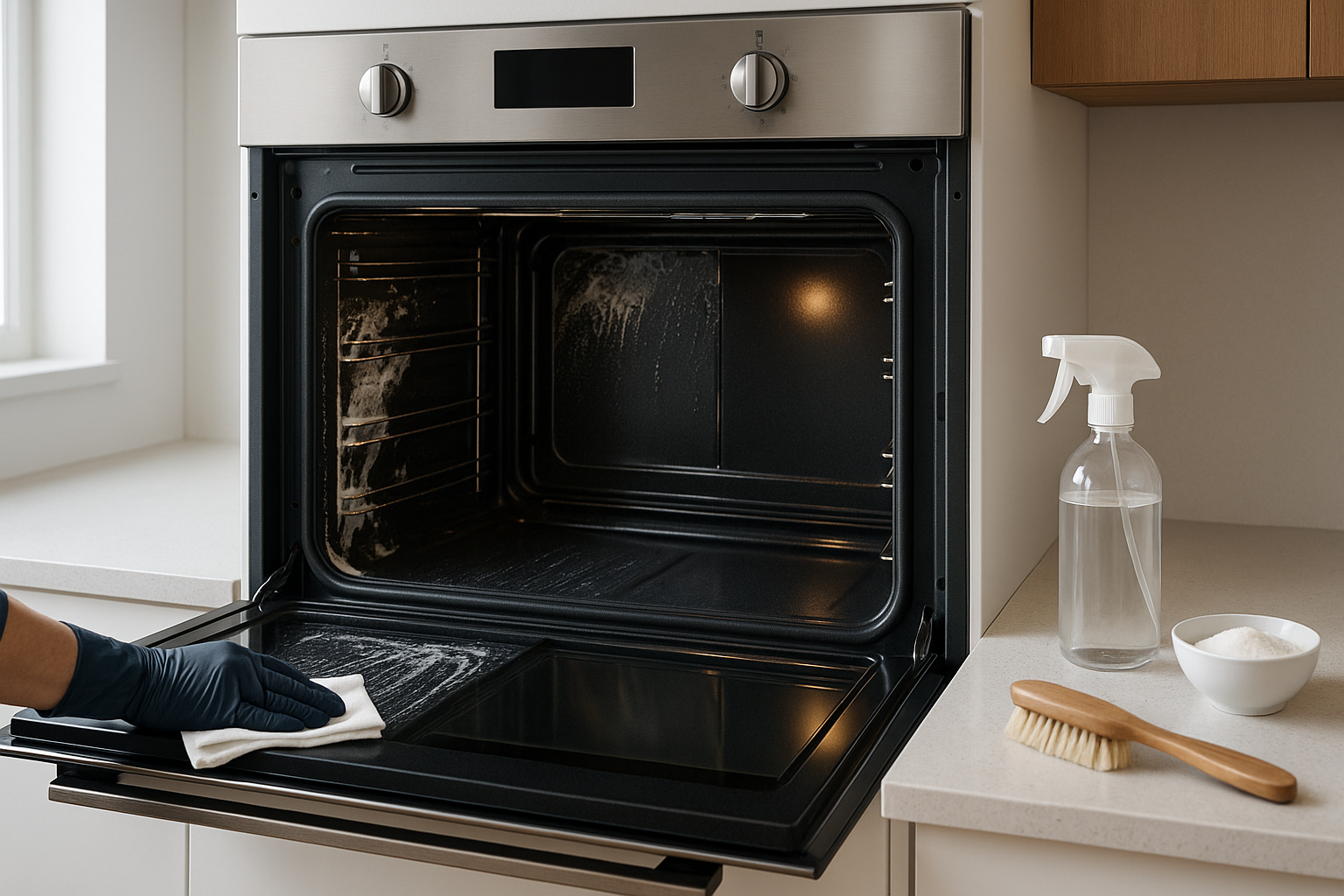
A proper deep clean in Cambridge should cover:
If your property sits in a period building, a deep clean might also involve gentle methods for original features. That can include testing products on stone hearths, avoiding harsh abrasives on sash windows, and using the right pads on old tiles. A good Cambridge cleaner knows when to switch to a soft brush or call in a specialist.
Cambridge looks small on a map, but it packs a lot into short distances. That affects cleaning in practical ways.
Hard water. Limescale is part of life here. Fast descaling routines with the right products make or break bathroom sparkle. Shower glass needs regular attention between deep cleans.
Parking and access. Many streets have controlled zones. If you rely on timed street parking, build a buffer or issue a visitor permit. For flats, a key safe placed in a secure, accessible spot makes arrivals smoother. For smart locks, give cleaners their own code, then revoke and rotate regularly.
Waste and recycling. Shared bin stores can overflow quickly after weekends. A cleaner who knows local collection days and sorting rules prevents contamination tags and fines. In mixed-use developments, it helps to label a discreet host bin for spare liners and cleaning waste so nothing ends up in guest bins.
Seasonal peaks. Demand spikes around graduation, college dinners, weddings, festivals, and tech conferences. These weeks need tighter coordination, reserve linens, and priority scheduling with your cleaning partner. With same-day turnovers stacked back to back, any delay cascades.
Old meets new. Cambridge has Victorian terraces with sticky sashes and limited ventilation, and also CB1 new-builds with sensitive appliances and engineered flooring. Cleaning approaches should shift with the fabric of the building. Microfiber and pH-neutral cleaners protect new floors. Careful vacuuming with brush off helps old rugs and uneven boards.
Laundry is where many turnovers fail. The right strategy depends on your space and booking pace.
On-site laundry suits properties with longer gaps and a washer-dryer that can handle a quick cycle. It keeps costs down, but adds risk if machines are slow or linens need extra drying time. Off-site laundry, either handled by your cleaning team or a linen service, gives speed and consistency. It is worth the cost during peak months or in properties without good drying options.
Build a par stock of at least three full sets per bed. One on the bed, one in the cupboard ready to go, one out for cleaning. The same logic applies to sets of towels and kitchen textiles. Store them in lidded containers to keep them hotel-fresh, especially in older houses that can hold a hint of damp.
Make the bed a feature. Cambridge attracts guests who care about comfort. Smooth hospital corners, uncreased duvet covers, fluffed pillows, and a throw placed neatly at the foot feel like care, not just cleaning. These small rituals show up in reviews.
Every property is different, but ranges help with planning. A standard turnover for a studio or one-bed often falls between £60 and £95, including a basic linen change and consumable top-ups. Two-bedroom homes tend to land between £90 and £140, and larger houses can run from £140 up to £220 depending on bathrooms, outdoor space, and laundry arrangements. Deep cleans usually cost more, often from £160 for smaller flats up to £350 for larger period homes with multiple bathrooms and heavy build-up.
Add-ons can include oven deep clean, inside windows, exterior patio sweep, cot setup, or restocking trips. Clarify what is included so there are no surprises. Flat per-turnover pricing linked to a clear checklist makes budgeting simpler than hourly rates.
A great cleaner brings more than supplies and speed. They bring systems, trust, and local knowledge.
You want a team that shows up on time, communicates quickly, and documents their work. Photo checklists before and after the clean help catch damage and protect deposits. Issue reporting that includes quick costs for fixes keeps your calendar open and your rating steady. Insurance and proper training matter. So does comfort with keys, key safes, and smart locks.
Ask how they handle laundry. Do they use a linen service or wash on site. What is the par stock plan. How do they manage late check-outs or early check-ins. Will they bring a spare duvet set in case of a last-minute spill.
In a city with bike traffic, bus gates, and residents-only parking, local routes and timing count. The best teams know how to load in without stressing neighbours or dragging a trolley over gravel paths in a conservation area. That experience turns a rushed morning into a smooth handover.
Every property needs its own checklist. Still, there are anchors that make almost any Cambridge turnover smoother.
Start with the entry. Air the property if weather allows, then scan for damage, smells, or missing items. Collect rubbish and recycling in one sweep to avoid drip trails. Bathrooms come next, since dwell time for descaler and cleaner works in your favour while you move on. Kitchens follow, with grease removal, hob polish, sink shine, and a quick seal check on the fridge. Dust and surfaces move from high to low, then floors. Leave bedrooms and staging for last, once floors are dry, so beds stay crisp.
Restock consumables as a habit, not a sometimes. Tea, coffee, small milk portions or UHT, sugar, salt and pepper, oil, dishwasher tablets, sponge, cloth, bin liners, loo roll, hand soap, and a spare toothpaste or toothbrush in a sealed pack. Keep everything consistent so guests always find the same items in the same places.
Finish with a guest-eye walkthrough. Does the room smell fresh. Are there fingerprints on the patio door. Are blinds aligned. Does the welcome book sit square. This last two-minute routine separates adequate from excellent.
Technology can make or break operations. Sync your Airbnb calendar via iCal or use a property management system so your cleaner sees bookings, gaps, and special notes. Share check-in and check-out times, plus a simple system for late check-out approvals. If a guest requests early check-in, your cleaner needs to know before they step on the bus on Hills Road.
Create a clear escalation path. If a guest breaks a lamp, who approves a same-day replacement. If a leak appears, which plumber gets the call. A short list in the cleaner’s phone beats a long email no one can find.
For access, label keys, use numbered key safes, and keep a spare set locally. In flats, coordinate with building managers on fob access and bin stores. In terraces, mark the right wheelie bins discreetly to avoid neighbour mix-ups.
Cleaning teams are often your first line of defense on maintenance. Ask for photos of small issues and empower them to handle tiny fixes up to a set budget. Replacing a shower hose, tightening a loose loo seat, or switching a light bulb can prevent a minor item from becoming a guest complaint.
Schedule filter cleans for cooker hoods, clear bathroom extractor grilles, and inspect grout in showers. Cambridge’s hard water plus humidity creates opportunities for mold. Quick attention with the right cleaner, regular ventilation, and a silicone refresh when needed keep bathrooms looking new.
A tidy space is not automatically inviting. Staging gives your listing character. Fold a throw on the sofa, angle a cushion, place a sprig of greenery in a simple vase. Position guidebooks or a local map to hint at nearby walks along the Cam or a coffee on Mill Road. Keep it subtle and photo-true. Over time, stage to match your listing images so guests feel they got exactly what they booked.
Many Cambridge guests care about eco-friendly choices. You can meet that expectation while keeping a high standard. Choose effective, low-residue products and refill where possible. Microfiber cloths reduce chemical use. Concentrates in reusable bottles cut plastic. Make recycling effortless for guests with clear labeling and visible liners. Air dry laundry when weather and space allow. None of this should slow your team if the system is clear.
A one-bed flat near Cambridge Station. Turnovers are fast and frequent. Off-site laundry keeps cycles short, with three full linen sets in rotation. Hard floors get a weekly damp mop with a neutral cleaner. Deep cleans every 8 weeks focus on limescale, shower screen polish, and oven interior.
A Victorian terrace off Mill Road. Two bedrooms, high bookings, and a small garden. Turnovers include patio sweep and ash removal from a seasonal fireplace with clear guest rules. Deep cleans target sash window tracks, skirting detail, and behind radiators. Keys live in a coded safe away from obvious street view to reduce risk.
A modern CB1 apartment with balcony. Sensitive engineered flooring means no soaking mops. The balcony needs sweeping and glass wipes to remove city dust. The dishwasher filter is checked monthly. Waste sorting must be exact because of shared bin stores and building rules.
Interview providers with your property in mind. Share photos, show your listing, and walk them through your standards. Ask for a trial clean during a real turnover window. Review their checklist and insurance. Test response times with a small change request. Clarify how they bill for extras like linen, restock runs, or emergency callouts.
The best relationships feel like a team. Your cleaner notices issues early, you approve small fixes quickly, and guests feel looked after from the moment they step inside. When schedules tighten during graduation week or a festival brings extra traffic, a local, prepared team keeps your calendar on track.
Cleanliness drives reviews. Reviews drive bookings and nightly rates. In Cambridge’s busy short-term market, the difference between average and excellent is often the quality of your cleaning system. Nail the basics at every turnover, book deep cleans on a sensible rhythm, and adapt to Cambridge’s quirks. Your guests will notice. Your calendar will show it.
If you are weighing airbnb cleaning cambridge options, aim for a partner who brings detail, rhythm, and local know-how. Reliable turnovers protect your rating today. Smart deep cleaning protects your property for the long run.