April 8, 2026
April 2, 2026
If the skirting boards are grey, the oven smokes when heated, and the office kitchen smells like last week’s lunch, a standard tidy will not fix it. Built-up grime hides in places you rarely touch. That is where a proper deep clean earns its keep.
Cambridge homes and workplaces carry their own mix of challenges. Historic terraces collect dust behind shutters and mould in cool corners. Student move-outs leave fridges caked and ovens neglected. Busy offices near the station or the Science Park see heavy footfall on carpets and constant fingerprints on glass. Deep cleaning in Cambridge addresses those realities with a thorough, top-to-bottom service that goes beyond routine chores, restoring freshness, hygiene, and order.
This guide explains what deep cleaning covers, when to book it, how much it costs, and how to prepare. It looks at both home and office settings, so you can plan with confidence and get the best result the first time.
A deep clean is a systematic clean of areas that are not dealt with during a standard weekly or fortnightly visit. It aims for reset-level cleanliness. That means attention to nooks, fixtures, and finishes that accumulate dirt slowly and stubbornly.
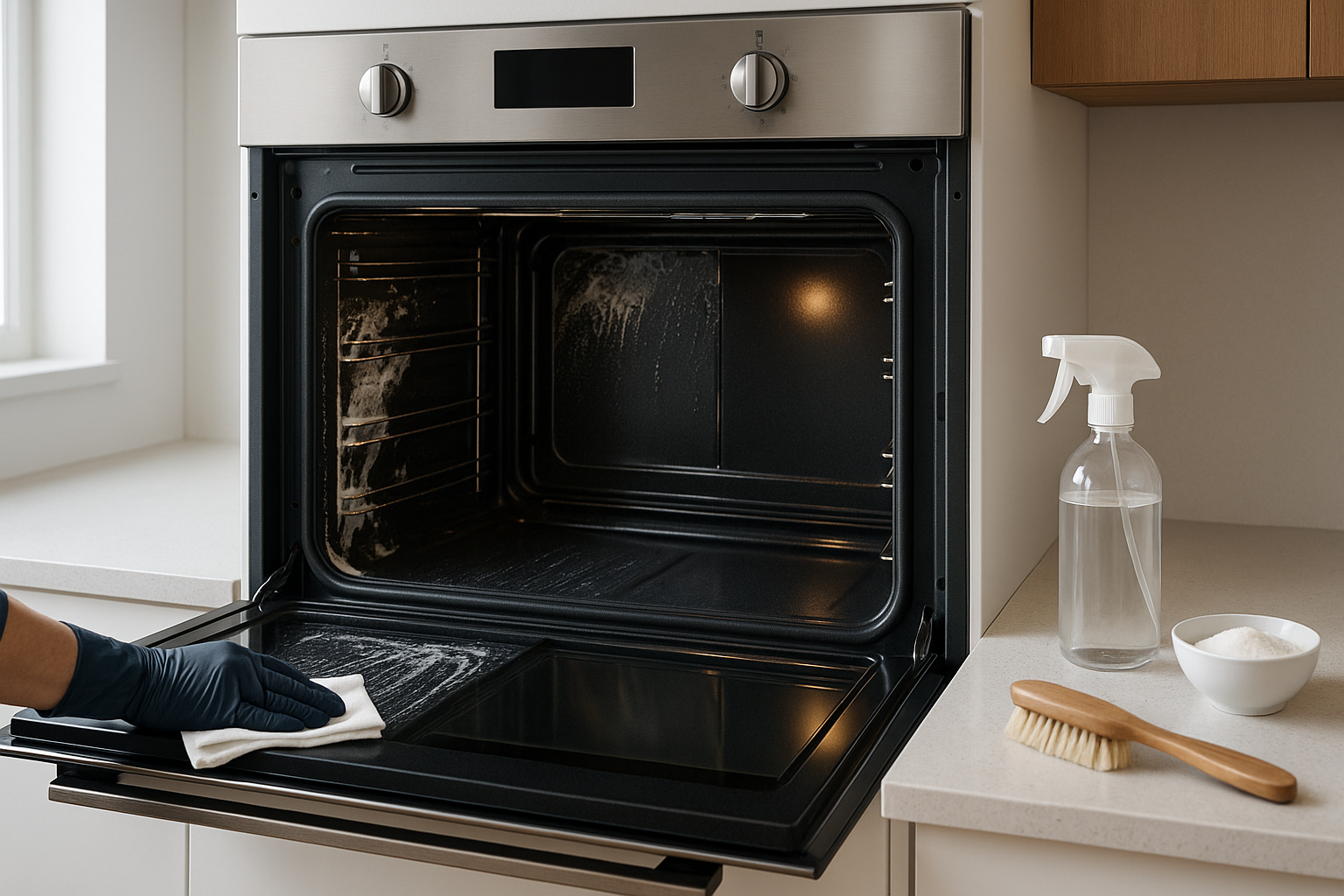
In a home, expect detailed kitchen and bathroom work. Grease removal from extractor hoods. Oven internals cleaned, racks and trays soaked, fan cover degreased. Limescale treatment on taps, shower screens, and tiles, especially important with Cambridge’s hard water. Grout scrubbed to lift discolouration. Inside cupboards wiped. Fridge and freezer sanitised once defrosted. Behind and under appliances vacuumed and mopped. Skirting boards, door frames, switches, sockets, and light fittings wiped free of dust. High cobweb removal. Window interiors and frames washed. Carpets, rugs, and upholstery treated or steam cleaned if booked as an add-on.
In an office, the focus expands to shared spaces and high touchpoints. Kitchenettes and break rooms degreased and sanitised. Washrooms descaled and disinfected, including partitions and grout lines. Workstations wiped, chair bases cleaned, and monitor stands dusted. Blinds, vents, and high ledges dusted using extension tools. Internal glass polished. Hard floors machine scrubbed where suitable. Stains on carpet tiles treated. Meeting room tables, door handles, lift buttons, stair rails, and printers sanitised.
A proper deep clean uses stronger techniques and tools where needed, such as steam, descalers, degreasers, microfibre systems, and HEPA-filter vacuums. It also follows an order of work, for example high-to-low dusting before wet work, which stops dirt falling on newly cleaned surfaces.
Some moments are perfect for a reset. Others demand it.
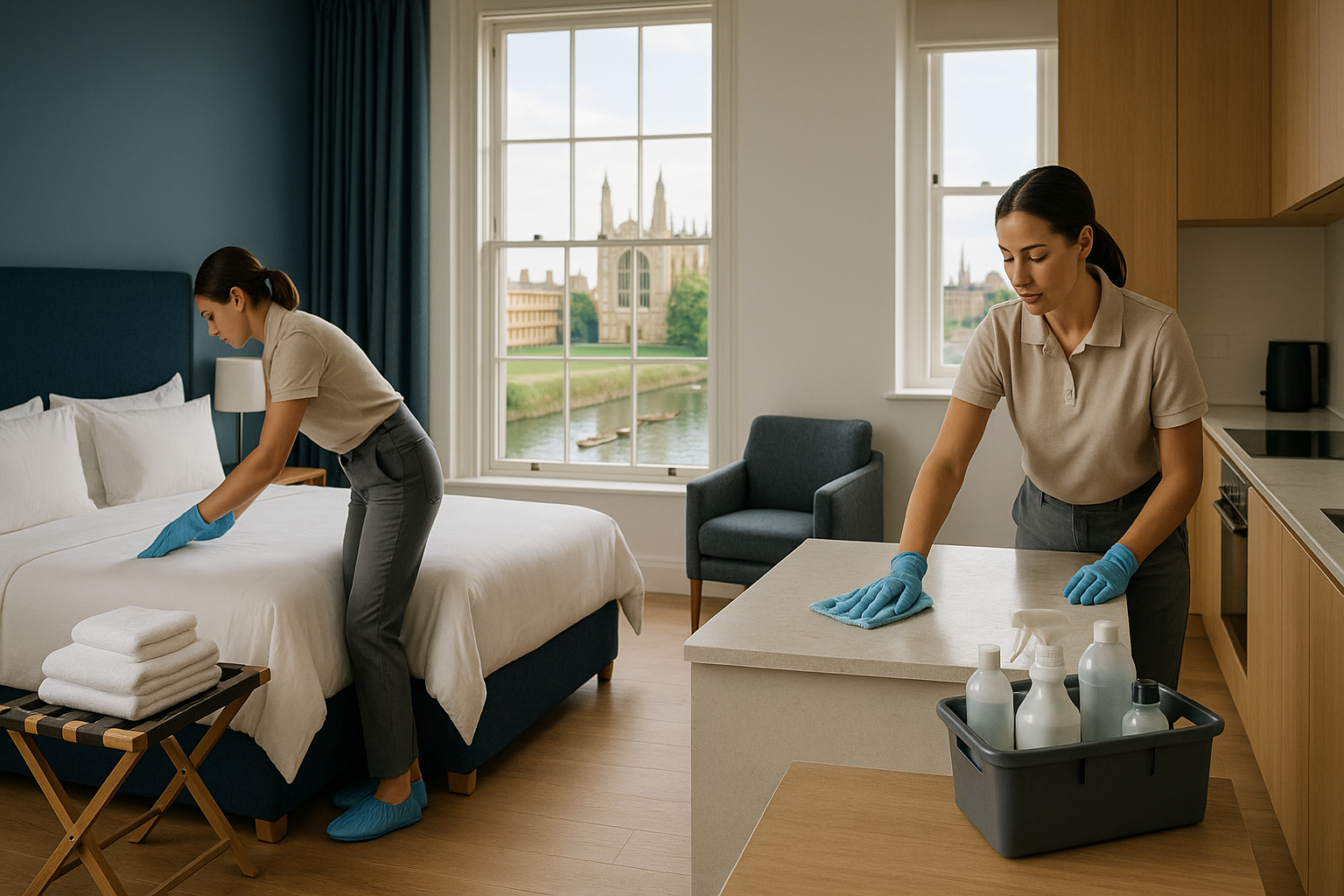
Move-ins and move-outs. End of tenancy cleaning is common in Cambridge’s rental market and student lets. A deep clean helps meet inventory standards and protect deposits. If you are moving in, a thorough clean before the lorry arrives makes unpacking pleasant.
Pre-sale and staging. Fresh grout lines, clear glass, and a spotless kitchen give buyers confidence that the property has been cared for.
After building works. Dust travels far and settles inside cupboards, vents, and on window frames. A post-build deep clean is almost always necessary.
Seasonal maintenance. Spring is good for windows, blinds, and pollen dust. Autumn or winter is a time to tackle condensation marks, mould, and limescale from higher hot-water use.
Life events. New baby, elderly relatives moving in, or a home office conversion. A reset supports health and comfort.
For offices, target periods include quarterly or biannual deep cleans, especially before client visits or audits. Schedule extra attention after outbreaks of illness, following refurbishments, or ahead of busy seasons. Cambridge’s tech and research spaces may prefer deep cleans during shutdowns or at the end of projects to avoid disruption.
The process starts with a clear scope. Reputable companies begin by asking about your space, number of rooms or desks, specific issues, and access. Some will visit for a survey, especially for large offices or complex homes. You receive a written quote that breaks down what is included, any optional extras, and the estimated time.
On the day, a trained team arrives with professional-grade equipment. They bring vacuums with HEPA filtration, steam cleaners for grout and upholstery, degreasers for ovens, and dedicated cloth sets to prevent cross-contamination between bathrooms and kitchens. Most teams follow a checklist tailored to your property. Expect them to move light furniture where safe, clean behind and beneath, then return items to place.
Bathrooms and kitchens usually take the longest. Limescale treatment is left to dwell while other tasks proceed, then scrubbed and rinsed for a crystal finish. Oven cleaning involves soaking racks and using non-caustic gels where possible to protect enamel. Expect careful work on seals, hinges, and extractor filters.
In offices, teams may work zone by zone, starting high with vents and ledges, then wiping touchpoints, cleaning glass, and finishing with floor care. For hard floors, scrubber-driers lift ingrained dirt. For carpets, spot treatment and hot water extraction can be arranged as an additional service.
Good operators carry insurance, use trained staff, and communicate during the clean if they notice defects or risks, for example damaged grout, perished seals, or a broken fan. They should leave a record of work and any recommendations.
Time varies widely with property size, condition, and how much furniture or equipment needs to be worked around. As a guide, a thorough deep clean of a one-bedroom flat might take a small team four to six hours. A three-bedroom house can take a team of two or three between six and nine hours, longer if heavy limescale or oven carbon build-up is present. For offices, plan weekend or evening sessions. A 5,000 square foot office could require a team of four to six working a full day, especially if kitchen and washrooms need descaling and the floors require machine cleaning.
Rates for deep cleaning in Cambridge reflect scope, access, and demand. Expect a fixed price for domestic deep cleans based on the number of rooms and the level of work, with extras for appliances, carpets, and exterior windows. Offices are often priced by square footage, by task, or by day rate for a team.
For context only, not a guaranteed quote:
Add-ons influence the total. Professional oven cleaning can be £40 to £80 depending on size and condition. Carpet or upholstery cleaning is typically priced per room or per seat. Window cleaning beyond easy reach adds time and sometimes a specialist.
Other factors include parking and access in tight streets, lift availability in apartment blocks, weekend or evening availability, and the need for additional services like mould treatment or post-construction dust control. Always request a written scope so there are no surprises.
A little preparation improves the result, reduces time on site, and keeps costs predictable.
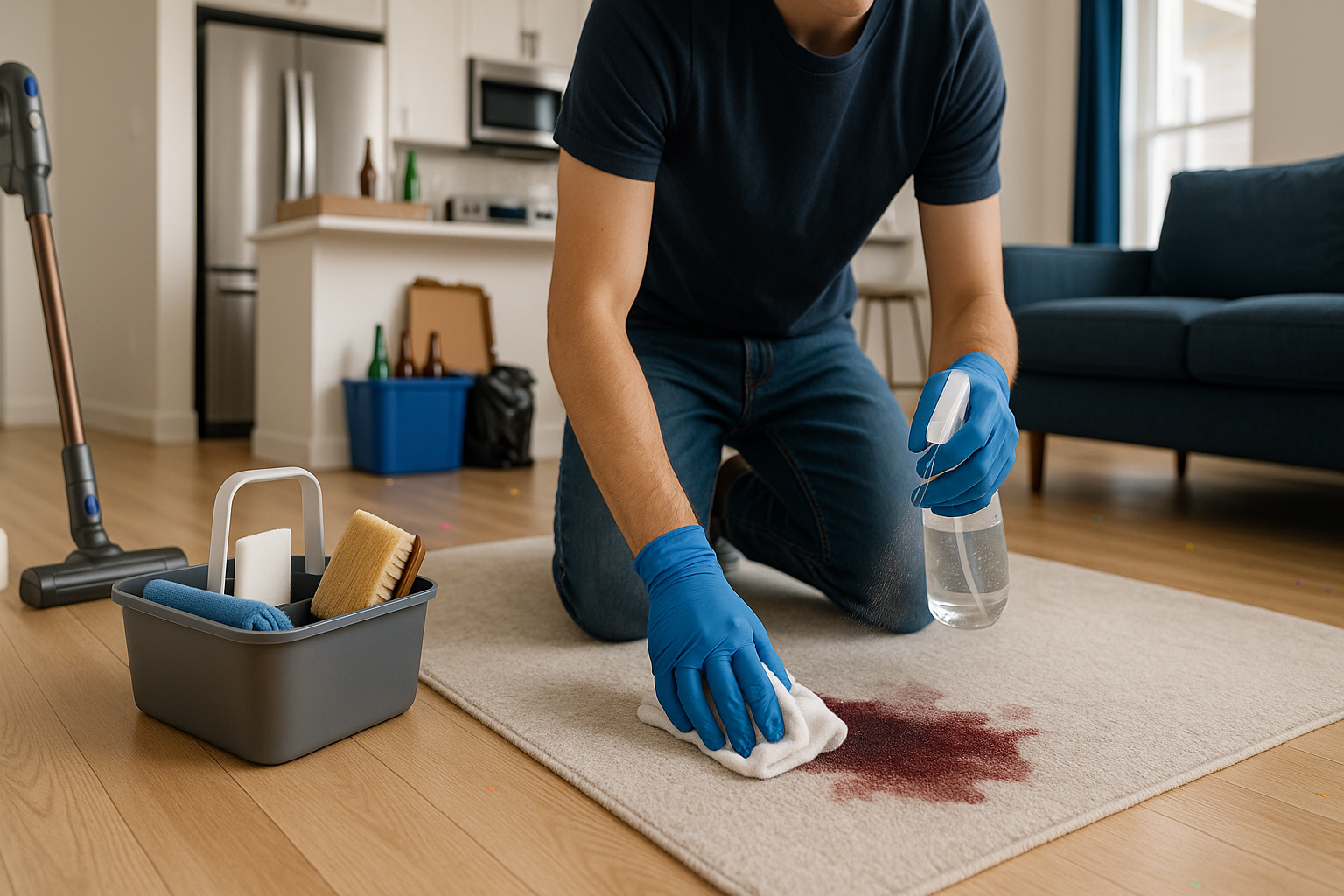
If it is an end of tenancy clean, remove personal items and furniture unless the tenancy is furnished. Photograph existing damage for your records. If carpets are being cleaned, plan drying time before moving belongings back in.
Workplaces need coordination. Inform staff early and choose a time that disrupts as little as possible. Teams usually work after hours or weekends.
Ask staff to clear desks of personal items and file loose papers. Unplug or power down equipment if required, then secure anything sensitive. Provide access to all areas being cleaned, including server rooms if those are included, and confirm any special protocols. Share building rules, for example restrictions on machine use after certain hours or waste disposal points. If you have your own chemical stores or specialised areas, make sure safety data sheets are available and agree boundaries for the cleaning team.
Cambridge tends to care about sustainability, and many providers offer greener choices. Ask for low-VOC, fragrance-free products, which reduce odours and are kinder to those with sensitivities. Microfibre systems cut detergent use and improve pickup. HEPA vacuums trap fine particles. Steam can sanitise with minimal chemicals and works well on grout and sealed hard floors. For limescale, citric or lactic acid based products are effective without the harshness of some mineral acids, although severe build-up may still need stronger chemistry applied carefully.
If you or your colleagues have allergies, inform the team. They can avoid scented sprays, prioritise high dusting early, and run vacuums with HEPA filters to limit airborne particles. Always ventilate during and after work, especially after descaling or oven cleaning.
Cambridge’s rental cycle can be intense at peak times. Late spring through early autumn sees a surge in move-outs. Booking early improves your chances of getting the date you need and can secure better pricing.
Landlords and agents usually expect a specific standard at checkout. This includes inside cupboards, tops of doors and frames, light fittings, blinds, extractor fans, and behind appliances. Ovens and bathrooms receive particular scrutiny. Carpets may need professional cleaning if the tenancy agreement requires it, especially in furnished properties or student HMOs.
If mould has appeared through winter, a deep clean can remove staining on the surface. Long-term mould or damaged paint may need maintenance rather than cleaning alone, which is why a good provider distinguishes between what can be cleaned and what must be repaired. Hard water marks on shower screens respond well to descalers when given dwell time and elbow grease, but severe etching may not disappear entirely. Honest communication helps manage expectations and protects your deposit discussions.
Workplaces in and around Cambridge range from heritage buildings to modern open-plan floors. Each needs a slightly different approach.
For heritage interiors, care with finishes matters. Gentle products preserve varnished wood and old stone. In modern spaces, the priority is efficiency without disruption. Teams can rotate through zones, for example finishing meeting rooms first for early bookings, then kitchens and washrooms, then open desks. Glass partitions benefit from scraper work on paint flecks or labels, then streak-free polishing.
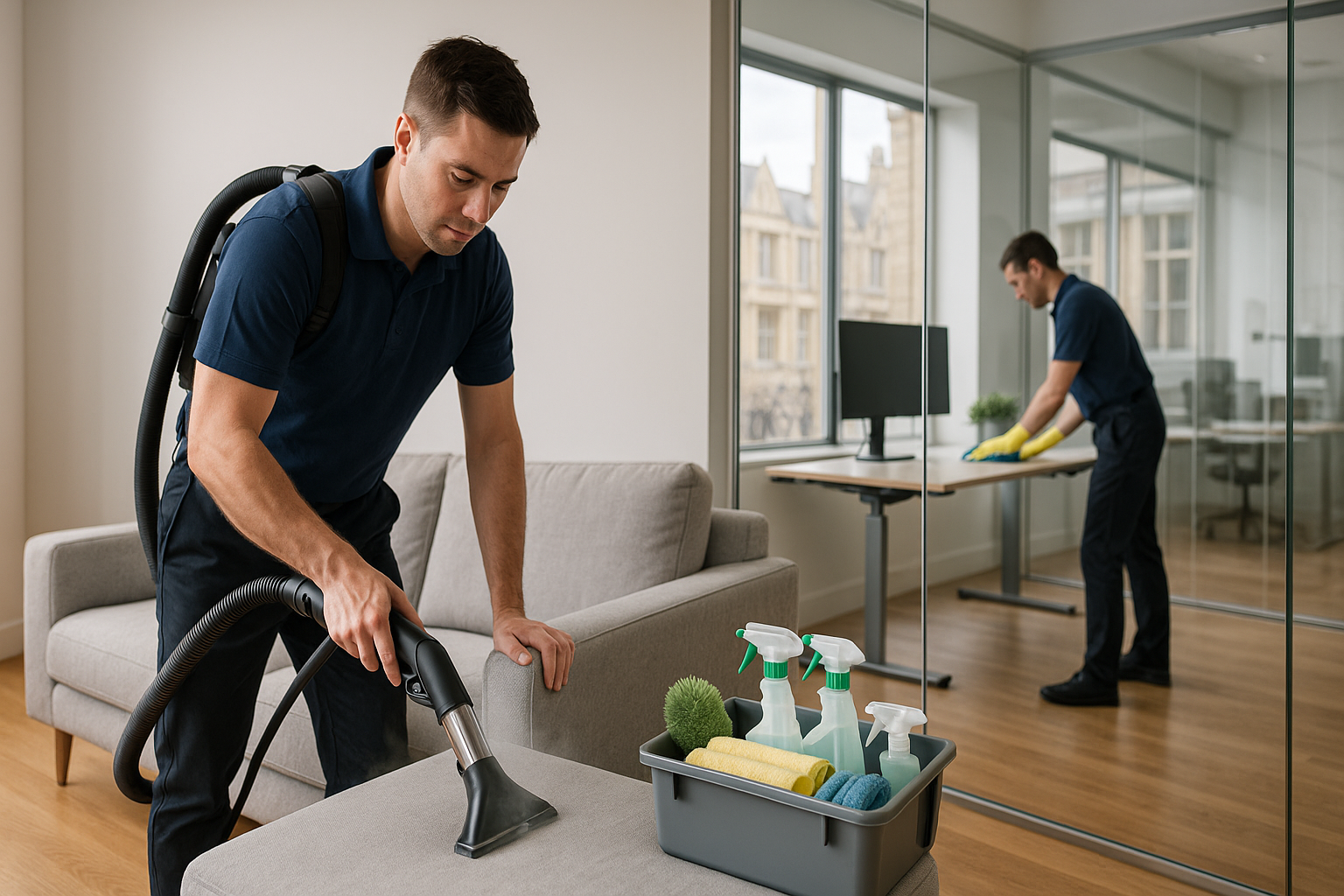
Server rooms and labs require agreed protocols. Some clients prefer no liquids, in which case dry dusting and HEPA vacuuming take priority. Upholstered meeting chairs often hold dust and spills; a periodic extraction keeps them presentable. Kitchenettes gain the most from degreasing, limescale removal from taps and kettles, fridge sanitising, and microwave cleaning. Floor care is the finishing touch. Hard floors might need machine scrubbing to lift ground-in dirt near entrances. Carpet tiles respond well to spot treatment on traffic lanes and near desks.
If you have cleaning specifications for audits or clients, share them. Professional teams can match a checklist, provide method statements, and complete sign-offs for your records.
Look beyond the website. Experience matters, but so does clarity. Ask for a written scope that lists rooms and tasks. Query what is not included, for example exterior windows, garages, or lofts. Check insurance, and for offices, request risk assessments and method statements. Verify staff training, including safe chemical handling and the use of access equipment.
References help. Local reviews from Cambridge clients often mention reliability, punctuality, and whether the team met checkout standards for agents. Ask how the company handles issues. A sensible approach is to offer a re-clean of missed areas within a short window. For specialised tasks, like post-build dust control or mould treatment, confirm the exact method and what success looks like.
Chemistry and equipment matter. Providers who invest in HEPA filtration, quality microfibre, steam, and appropriate descalers will deliver better results with less residue. For offices, confirm they can work outside business hours and manage key holding responsibly.
It helps to picture the day so you can plan.
For a three-bedroom house, a team of three might start by high dusting, then split between kitchen and bathrooms, with a third person working through bedrooms and reception rooms. After removing cobwebs and dusting tops of doors and frames, they clean window interiors and sills, wipe skirting, and polish switches and sockets. In the kitchen, one person handles the oven while another empties and wipes cupboards, degreases the hob and extractor, and sanitises the fridge. Bathrooms get limescale dwell time, then scrubbing, rinsing, and polishing. Floors come last so they are clean when everyone leaves. This often takes most of a working day.
For a medium office of around 5,000 square feet, a weekend session might start Friday evening with high dusting and glass, followed by Saturday morning for kitchens and washrooms, then carpet spotting and floor machine work. Final checks and any missed marks can be addressed Sunday if needed, ready for a Monday start with everything dry and in place.
A deep clean resets the baseline. Small habits keep it that way.
At home, ventilate bathrooms after showers and use a squeegee on glass to slow limescale. Put mats at entrances and remove shoes to protect floors and carpets. Wipe spills quickly in the kitchen and run an extractor when cooking. Schedule regular cleans every one or two weeks, then book a deep clean every six months or ahead of milestones.
At the office, agree a clear desk policy once a week so cleaners can access surfaces. Keep microfibre cloths and a neutral spray for quick spill response. Replace vacuum bags and filters on schedule if you handle daily cleaning in-house. Review high-traffic areas quarterly to plan targeted refreshes, especially reception floors, lift buttons, and kitchen counters.
Hard water is a fact of life locally, and it drives much of the deep cleaning effort in bathrooms and on taps and kettles. Build in extra time for limescale. In older buildings, ventilation can be limited in winter, which raises the risk of condensation and mould. Address root causes, like airflow and humidity, alongside surface cleaning. Student heavy areas face busy end-of-term turnovers, so book early from late June through September to secure dates.
Parking and access around the centre can be tricky. Share details with your provider, including visitor permits, loading bays, or the nearest car park. If your property is within a controlled parking zone, adding a permit to the quote avoids last-minute delays.
Deep cleaning in Cambridge is about more than a tidy finish. It is a practical reset that tackles hard water marks, stubborn grease, persistent dust, and high-traffic wear. With a clear scope, realistic timing, and a bit of preparation, a professional team can transform both homes and workplaces, making them healthier, easier to maintain, and far more pleasant to live and work in. Choose a provider who listens, sets expectations clearly, and respects your space. The difference is immediate, and it lasts.