April 8, 2026
March 29, 2026

Move-out day can cost you more than a truck rental. In a city like Cambridge, an imperfect clean can swallow a security deposit, cause a failed walkthrough, or leave a vacant unit sitting for days. Reliable turnover cleaning is the quiet lever that keeps leases on schedule, protects your deposit, and gets the next tenant smiling at move-in.
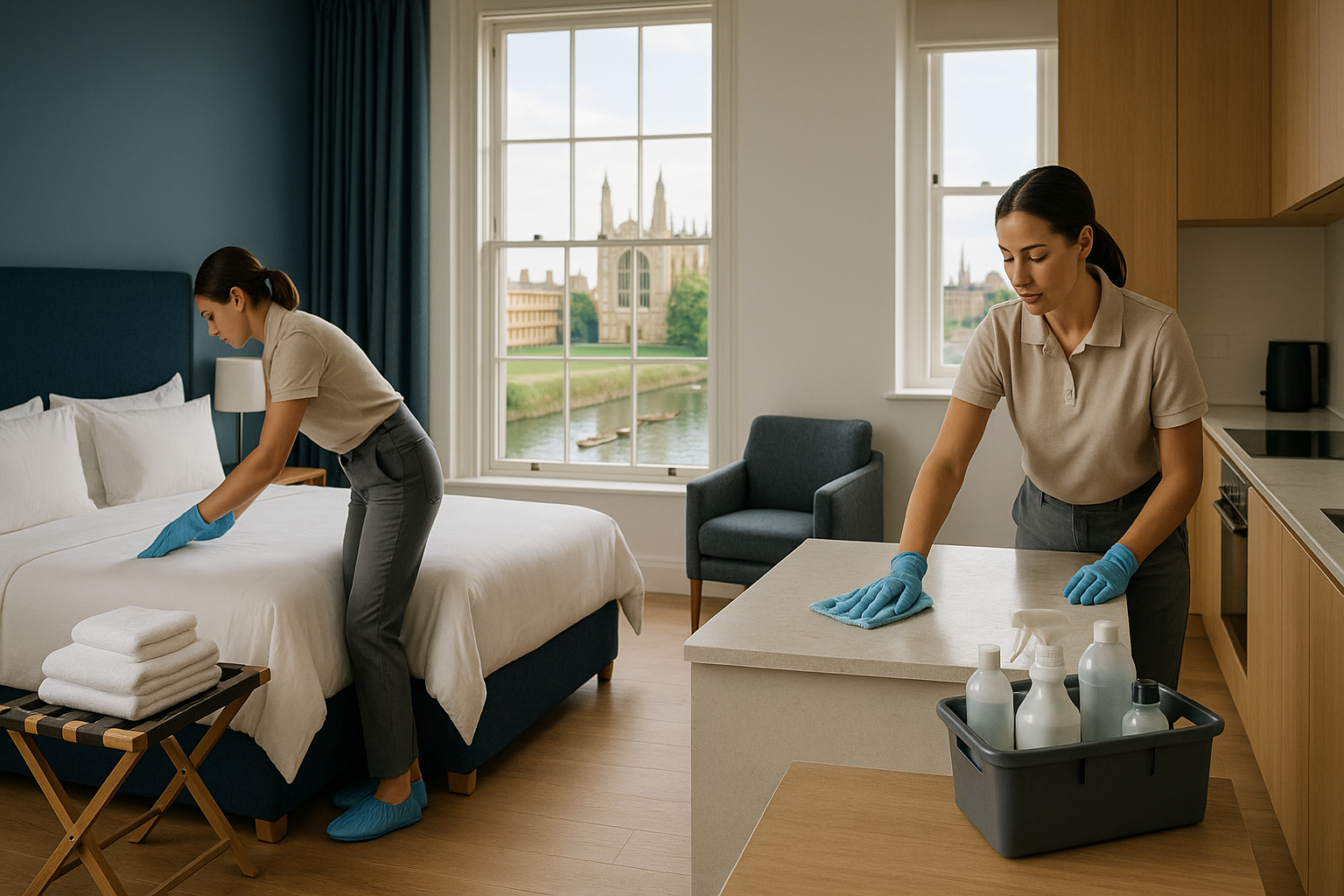
Turnover cleaning Cambridge typically means a full, top-to-bottom reset of a rental so it is move-in ready. It is not a quick tidy. It is deeper than a routine monthly service and more detail oriented than a simple spruce. If you are a tenant hoping to close out your lease cleanly, or a landlord managing the late-August rush, understanding what a proper move-out service covers and how to plan for it can save real money and stress.
A true move-out clean sets a higher bar than standard housekeeping. Expect technicians to tackle the forgotten surfaces, the grease you cannot scrub in ten minutes, and the dust that settles behind furniture.
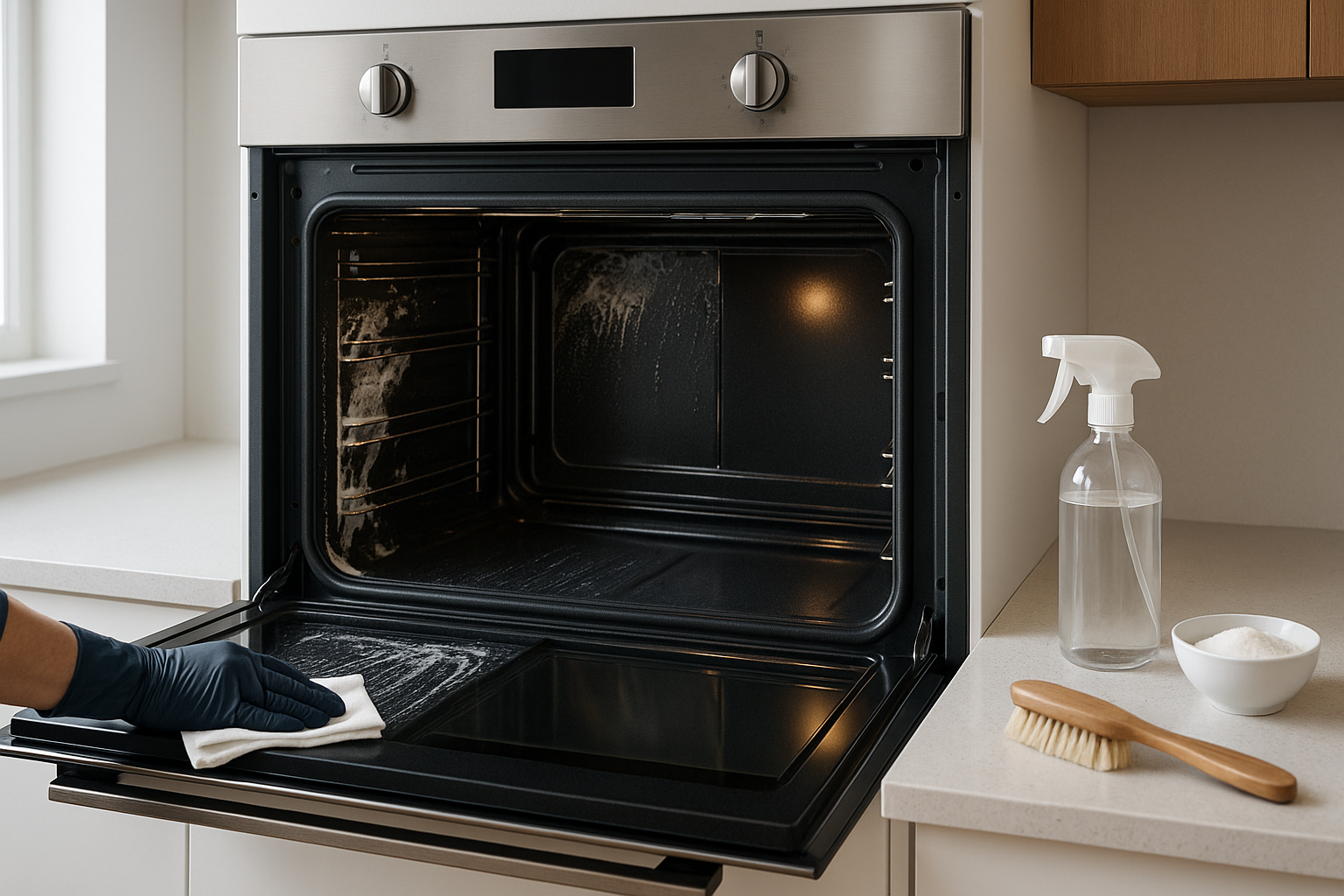
Kitchens come first. A reliable team degreases cabinet faces and handles, cleans inside cabinets and drawers, and pulls crumbs out of every hinge and corner. The stove, oven, and range hood receive a full treatment, including racks, drip pans or burners, and the underside of the hood with its filters. The refrigerator gets emptied, defrosted if needed, and cleaned inside and behind the shelves. Dishwasher edges and gaskets collect grime over time, and those should be wiped and sanitized. Countertops are scrubbed, backsplashes degreased, and the sink polished so it shines.
Bathrooms need a different approach. A move-out cleaning should remove soap scum from glass and tile, lift limescale from fixtures, clean grout lines, and sanitize the toilet, tub, and shower thoroughly. Mirrors get a streak-free finish. Vents and fan covers are dusted and wiped. Cabinets, vanities, and drawers are cleaned inside and out.
Living areas and bedrooms require a patient hand. Effective crews dust high to low, including ceiling fans, light fixtures, trim, radiators or baseboard heaters, and window frames. Window tracks and sills collect dirt quickly in city apartments, so those get vacuumed and wiped out. Blinds are dusted. Interior windows are cleaned where accessible. Doors, doorknobs, and switch plates are wiped to remove fingerprints. Closets are vacuumed, shelving is cleaned, and hangers or leftover items are removed if trash hauling is part of the job.
Floors tie everything together. Expect a full vacuum on carpets and edges, including under baseboard heaters if accessible. Hard floors should be vacuumed and mopped, with attention to corners and under appliances. In older Cambridge buildings, hardwood floors may need a gentle cleaner to protect finish. For units with carpet, stain spotting may be included or treated as an add-on, depending on condition.
A move-out clean also chases dust in places you may not think to look. Tops of doors. Baseboards. Behind the stove and fridge where reachable. Around window radiators in classic triple-deckers. The goal is to reset the whole space so it looks, smells, and feels clean for a new occupant.
Cambridge brings unique turnover challenges. The rental calendar is dominated by the September 1 cycle tied to area universities. Thousands of residents move within a 48-hour window. Elevators in Kendall Square condo buildings need reservations. Narrow streets in Cambridgeport or East Cambridge can complicate parking for cleaning crews. Street cleaning schedules and residential permit parking add another wrinkle.
These realities affect timing, staffing, and access. A reliable move-out service in Cambridge builds schedules with traffic and parking in mind, pads time for elevator waits, and uses lockboxes or coordinated key handoffs. On September 1, the difference between a team that knows the city and one that does not can be the difference between an on-time turnover and a two-day delay.
When you are comparing providers, ask what is included in base pricing and what is considered an add-on. You do not want surprises on invoice day. A dependable Cambridge move-out clean typically includes:
Add-ons often include interior oven detailing beyond standard degreasing, inside-fridge deep work if heavily soiled, interior windowpanes that require ladder work, full window washing for exterior panes, carpet shampooing, and trash removal or donation hauling. If you need behind-appliance cleaning or balcony and porch scrubbing, confirm those tasks in writing.
Move-out clauses in Cambridge leases usually specify returning the apartment in “broom clean” or “professionally cleaned” condition. Those phrases can sound vague. In practice, landlords want what a good turnover aims to deliver, a clean unit with no odors, crumbs, grime, or obvious damage.
Set yourself up to pass inspection. Remove all personal items before the cleaners arrive. Empty the fridge and freezer. Unplug and prop the fridge door open if you are moving out several days ahead to prevent odor. Take out trash and recycling completely. If your lease requires nail holes to be filled, handle that in advance so the cleaners do not work around wet spackle. Flag anything unusual for the cleaning team, like a broken blind or a stain on the carpet, so they can address what is reasonable and note what is not.
Communicate with your landlord about access and timing. Many Cambridge buildings use intercoms or key fobs. If your cleaners cannot get in, the job can fall apart fast on a tight timeline. Leave clear instructions, a working phone number, and a lockbox code or key pickup plan. If you are moving during the late-August surge, book your turnover cleaning at least two weeks ahead. Crews fill quickly during that period.
Finally, request photo documentation. A professional service can send before-and-after shots of key areas. These images often settle deposit disputes quickly, especially for ovens, fridges, tubs, and floors.
Cambridge landlords juggle short vacancy windows, strict association rules in some condo buildings, and tenants arriving from out of state with keys in hand. A standardized turnover process keeps units move-in ready on time.
Start with a detailed checklist and a consistent definition of move-in ready. Share that standard with your cleaners, painters, and maintenance techs. If your turnovers often require minor repairs or paint touch-ups, schedule those vendors in a set order. Many managers slot maintenance for the morning, cleaners for midday, and painters for late afternoon, with cross-checks so people do not trip over each other.
Keys and access will make or break your day. In classic triple-deckers, lockboxes work well. In elevator buildings, coordinate elevator reservations for cleaners. If you manage multiple units in one complex, set up a staging area with supplies and spares so crews can move fast. On September 1, some providers reserve teams specifically for partner landlords. Ask about this early.
Inspection protocols matter. Require your provider to send completion photos and a short punch list of anything they could not address because of damage or access. If you run student-heavy portfolios, consider a mid-lease mini-clean for bathrooms and kitchens to reduce deep turnover intensity.
Rates for turnover cleaning in Cambridge vary with unit size, condition, and timing. A lightly used one-bedroom in a newer Kendall Square building may take less time than a well-loved three-bedroom in Cambridgeport with a decade of cooking on the range hood. Peak dates can carry surcharges because staffing costs rise.
Many providers price by the job with a scope and a not-to-exceed hour cap. Others charge hourly with a minimum. Ask how they measure the condition of a unit. Heavy grease in the oven, nicotine residue, pet hair in carpets, and mildew in older baths add time. The number of windows and whether you need inside-only or full washing also matter. Add-ons like carpet shampooing, inside-fridge detailing, behind-appliance cleaning, and trash hauling are usually separate.
If you want ballpark figures, a standard turnover clean for a Cambridge one-bedroom often falls in the mid hundreds. Larger units, extra bathrooms, and heavy condition can push into higher ranges. The most accurate way to budget is to share square footage, number of baths, photos of kitchen and bath condition, and your timeline. A trustworthy provider will give a clear estimate and flag any risks that could change it.
Older housing stock gives Cambridge its character and a few cleaning curveballs. Steam radiators gather dust and require careful wiping with the heat off. Original hardwood floors need a pH-neutral cleaner and a light touch. Plaster walls can scuff easily and do not love aggressive scrubbing. Vintage tile and grout in bathrooms may demand specific products and extra dwell time to lift stains without etching.
Triple-decker layouts hide dust behind built-in radiators and deep window sills. Bay windows invite streaks unless cleaned methodically. Small galley kitchens often mean grease concentrates on a few surfaces and needs patience to remove. In newer builds, stainless steel appliances show fingerprints and water marks that require the right polish for a uniform finish.
Hard water marks appear on fixtures and glass doors, especially in high-use student rentals. Professional crews bring descalers that work without scratching chrome or clouding glass. A provider familiar with these details moves faster and leaves fewer swirls, streaks, and accidental dull spots.
You want a company that shows up on time, brings a proven process, and solves problems without creating new ones. When you evaluate turnover cleaning Cambridge providers, look for real depth.
Ask about training and checklists. A vague “deep clean” without a written scope invites disappointment. Confirm insurance and worker coverage. In multifamily buildings, property managers will ask for certificates before allowing access. Inquire about supplies. HEPA-filter vacuums, microfiber systems, and non-abrasive descalers protect older finishes and reduce dust.
Availability during peak turnover matters. A team can be excellent in April but overwhelmed on September 1. Ask how they staff and whether they cap bookings to preserve quality. Request references from local landlords or photos of recent move-outs in similar buildings. If you are a tenant, look for consistent reviews that mention deposit returns and communication.
Green and fragrance-free options may be worth requesting. Many residents have sensitivities, and scent-heavy products can linger unpleasantly. A good provider can deliver a clean, neutral-smelling space without heavy perfumes.
Consider a two-bedroom in Cambridgeport with tenants moving out on August 30 at noon and new tenants arriving September 1 at noon. The goal is zero vacancy and no last-minute chaos.
By 1 p.m. on August 30, the property manager does a quick walkthrough to log any damage and confirm utilities are still on. At 2 p.m., maintenance fixes a leaky faucet and replaces two cracked outlet covers. At 4 p.m., cleaners start with the kitchen, then move room by room, finishing the first pass by 8 p.m. They leave a noted list of minor items to revisit once paint touch-ups dry.
On the morning of August 31, a painter handles a small bedroom wall and a scuffed door. At 11 a.m., cleaners return for a one-hour polish. They wipe dust from the touch-ups, check the oven glass after overnight degreaser dwell, and do a final mop. By noon, they send completion photos. The manager reviews and schedules a last walkthrough for 9 a.m. on September 1. Keys hand off to new tenants at noon with a clean, fresh-smelling apartment and no loose ends.
Tight timelines like this are common in Cambridge. Success depends on clear sequencing, vendors who respond fast, and simple logistics such as a labeled lockbox and reserved parking where possible.
Even the best team works faster when the space is ready. Clear surfaces and floors. Empty cabinets and closets completely. Bag trash and recycling and take them out, unless you have arranged hauling. Unplug and empty the fridge and leave shelves in the sink if you want them washed thoroughly. Move small furniture to expose baseboards and corners.
Pet owners should vacuum fur and dander lightly ahead of time if carpets are thick or heavily used. Let the cleaners know about any lingering odors, like spilled spices or smoke residue, so they can bring the right products. If access involves a new intercom code or a concierge desk, share those details in writing the day before.
People often say they want an apartment that looks perfect. Move-in ready is a clearer and more useful standard. It means there are no sticky surfaces, no visible dust, no crumbs in drawers, and no stubborn grease. Bathrooms sparkle, fixtures are free of water marks, and mirrors are clear. The kitchen smells neutral. The fridge and oven are clean and free of food residue. Windows are free of obvious smudges where reachable. Floors feel clean underfoot with no grit and no streaks.
Some wear is normal. A few hairline wall scuffs in older buildings may remain after a wipe. Tiny chips on decades-old tile do not vanish with cleaning. A solid provider knows which marks are permanent and which require paint or repair, and will communicate that calmly with photos.
The late-August to early-September window in Cambridge is its own season. Book early. Build in buffers. If you manage several units, stagger leases where possible, even by 24 hours. Ask your cleaning provider about surge plans. Some will assign a dedicated manager to coordinate your turns and send live updates. Others offer guaranteed response windows in exchange for a seasonal agreement.
Tenants moving at this time should secure their clean at least two weeks out and confirm two days before. If schedules slip, communicate quickly so crews can adjust. Good companies expect some churn on move-out day and will work with you if you keep them informed.
Photos are more than marketing. For tenants, they validate a return-ready unit. For landlords, they create a defensible record of condition between occupants. Ask for wide shots of each room and close-ups of high-risk areas such as ovens, fridges, tub surrounds, and floors under windows. If something could not be cleaned to a standard because of damage or age, document it. This habit protects everyone.
Turnover cleaning in Cambridge is about speed, detail, and local know-how. A reliable move-out service resets a space thoroughly, navigates Cambridge’s parking and timing quirks, and documents the result so deposits and move-ins go smoothly. Whether you are handing back keys or preparing for the next lease, a well-planned turnover is the simplest way to avoid delays and disputes, and to welcome the new chapter with a space that feels fresh from the first step inside.